


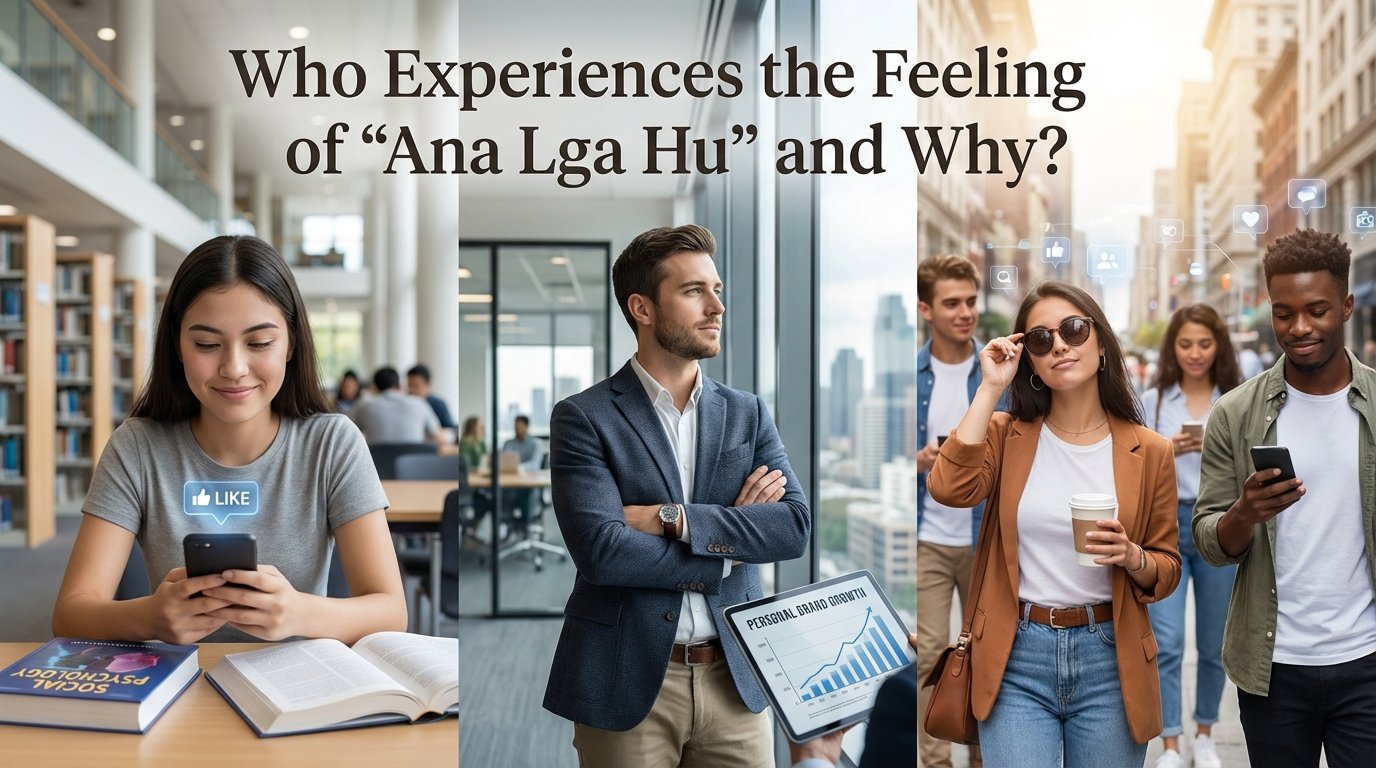
The phrase “Ana Lga Hu” is a common expression in Urdu and Hindi-speaking cultures, used to describe a state of overconfidence, pride, or self-importance. But who experiences this feeling, and why does it arise? Understanding the psychological, social, and cultural roots of this sensation can help individuals recognize it in themselves or others and manage its effects.
Table of contents
What Does “Ana Lga Hu” Mean?
“Ana Lga Hu” literally translates to “I feel proud” or “I feel important.” However, the expression often conveys excessive pride, ego, or arrogance, usually in informal conversations. Psychologists link this feeling to the human need for validation, recognition, and self-worth.
Characteristics of “Ana Lga Hu” Feeling:
- Inflated self-esteem or pride
- Desire for acknowledgment or admiration
- Feeling superior to peers or colleagues
- Sometimes accompanied by overconfidence in abilities
Who Experiences the Feeling of “Ana Lga Hu”?
1. Young Adults and Teenagers
Teenagers and young adults often experience “Ana Lga Hu” as part of their identity formation. During adolescence, individuals seek validation from peers and may exaggerate confidence to establish social status.
Triggers include:
- Social media attention
- Academic or sports achievements
- Peer comparison
Benefits/Drawbacks:
- Positive: Encourages ambition and social confidence
- Negative: May lead to arrogance and strained relationships
2. Professionals in Competitive Environments
Employees in competitive workplaces or high-performance industries may develop this feeling as a result of success, promotions, or recognition. Overconfidence can sometimes improve productivity but may also alienate colleagues if unchecked.
Common triggers:
- Achieving goals faster than peers
- Public recognition or awards
- Leadership responsibilities
3. Individuals with High Self-Esteem
Some people naturally have high self-esteem or strong confidence, making them more prone to experiencing “Ana Lga Hu.” While self-confidence is generally positive, it can occasionally tip into ego-driven behavior, especially under stress or praise.
4. People Facing Social Pressure
In social settings, individuals may display “Ana Lga Hu” to impress others, gain respect, or assert dominance. This is especially common in hierarchical societies or communities where status and reputation matter.
Indicators include:
- Boasting about achievements
- Seeking attention in gatherings
- Minimizing others’ opinions or contributions
5. Cultural and Contextual Influences
Certain cultural contexts may reinforce the feeling of “Ana Lga Hu” by valuing status, family honor, or public recognition. For example, in South Asian cultures, pride in academic, professional, or familial accomplishments can sometimes translate into overt displays of self-importance.
Psychological and Social Causes
| Cause | Description | Example |
|---|---|---|
| Validation Seeking | Desire for recognition boosts self-importance | Posting achievements on social media for praise |
| Comparison with Others | Feeling superior due to social comparison | “I did better than my colleagues in exams” |
| Overconfidence Bias | Cognitive bias that inflates abilities | Believing you can complete tasks faster than reality |
| Cultural Expectations | Societal norms valuing prestige and honor | Showcasing family achievements at gatherings |
| Stress or Insecurity | Ego compensates for self-doubt | Acting proud to mask nervousness |
Comparison: “Ana Lga Hu” vs. Similar Feelings
| Feeling | Description | Key Difference |
|---|---|---|
| Pride | Feeling good about achievements | Pride can be humble; “Ana Lga Hu” often exaggerates |
| Overconfidence | Believing in one’s abilities excessively | Overconfidence may be task-specific, “Ana Lga Hu” is broader social pride |
| Arrogance | Disregard for others’ opinions | Arrogance is consistent; “Ana Lga Hu” can be situational |
| Self-Esteem | Overall positive self-regard | Healthy self-esteem is balanced; “Ana Lga Hu” can spike temporarily |
Real-Life Case Studies and Examples
| Case | Context | Outcome |
|---|---|---|
| Teenager on Social Media | Posting achievements online | Received praise but strained friendships due to bragging |
| Office Employee | Promoted to team lead | Improved confidence but caused minor conflicts with peers |
| Student Competition | Won regional debate | Boosted self-esteem, inspired others, displayed “Ana Lga Hu” temporarily |
| Cultural Celebration | Showcasing family achievements | Felt validated, community recognition reinforced pride |
How to Manage or Channel the Feeling of “Ana Lga Hu”

- Self-Awareness: Recognize when pride is tipping into arrogance.
- Mindfulness Practices: Meditation and reflection can reduce ego-driven behavior.
- Feedback Acceptance: Listen to peers and mentors without defensiveness.
- Gratitude Journals: Focus on appreciation rather than self-importance.
- Constructive Expression: Channel confidence into productive actions instead of boasting.
FAQs: “Ana Lga Hu” Feeling
1. What does “Ana Lga Hu” mean in psychology?
It refers to a temporary feeling of overconfidence, pride, or inflated self-importance, often triggered by social recognition, achievements, or comparison with others.
2. Who experiences “Ana Lga Hu” most often?
Young adults, professionals in competitive environments, and culturally-influenced individuals are more likely to feel “Ana Lga Hu.”
3. Is “Ana Lga Hu” always negative?
Not necessarily. It can boost confidence and motivation, but if excessive, it may strain relationships or hinder personal growth.
4. How can one reduce “Ana Lga Hu”?
Through self-awareness, mindfulness, accepting feedback, and gratitude practices, individuals can balance pride with humility.
5. Can children feel “Ana Lga Hu”?
Yes, older children and teenagers often experience this as part of social identity and peer validation.
6. Does social media increase the feeling of “Ana Lga Hu”?
Yes, constant feedback, likes, and recognition on social media amplify pride and ego-driven behavior.
7. Can culture influence “Ana Lga Hu”?
Absolutely. Societies valuing status, family honor, or achievements may encourage temporary or situational pride.
8. What’s the difference between “Ana Lga Hu” and arrogance?
“Ana Lga Hu” can be situational or temporary, while arrogance is consistent, habitual, and often disregards others’ feelings.
Conclusion
The feeling of “Ana Lga Hu” is a natural part of human psychology, reflecting pride, confidence, and social recognition needs. Young adults, professionals, culturally-influenced individuals, and even children can experience it in different contexts. While it can provide motivation and social acknowledgment, excessive or unchecked pride may strain relationships or create misunderstandings.
By understanding the triggers, practicing self-awareness, and balancing confidence with humility, individuals can channel the feeling positively and use it as a tool for personal growth and achievement.
If you find yourself frequently experiencing “Ana Lga Hu,” take time to reflect, seek feedback, and focus on constructive ways to express confidence. Recognizing and managing this feeling can improve relationships, career growth, and overall well-being.