


Table of contents
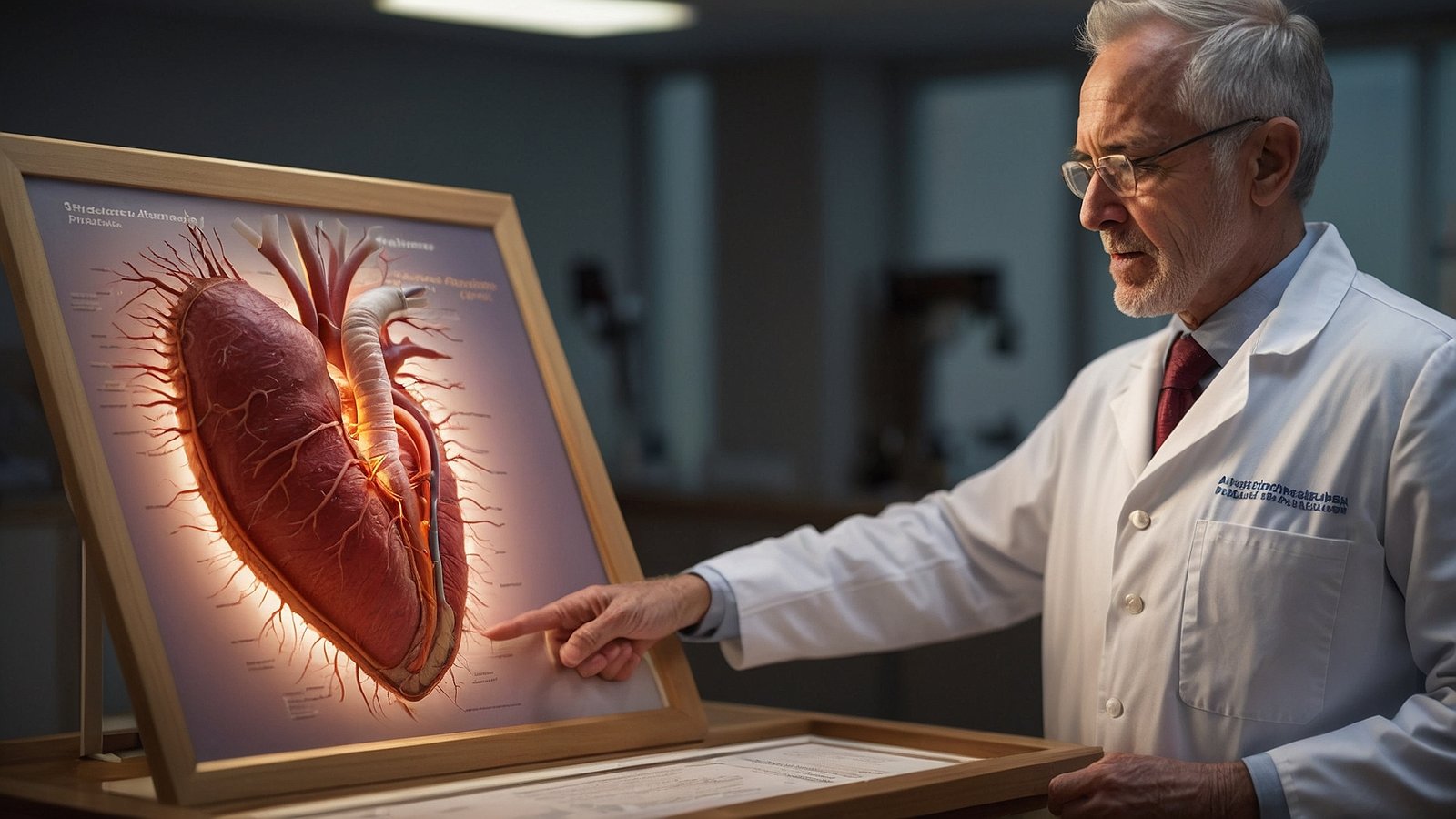
Aortic atherosclerosis is a progressive cardiovascular condition characterized by the buildup of plaque in the aorta, the body’s largest artery. This disease often develops silently over decades and can lead to serious complications, including aneurysms, dissection, stroke, and heart attack. Understanding its pathophysiology, risk factors, clinical manifestations, diagnosis, and management strategies is essential for both medical professionals and patients at risk.
This guide provides an in-depth overview of aortic atherosclerosis, highlighting the latest insights into its mechanism, clinical significance, and evidence-based management.
What Is Aortic Atherosclerosis?
Aortic atherosclerosis is a type of atherosclerosis—the thickening and hardening of the arterial walls caused by the accumulation of:
- Lipids (cholesterol and fatty substances)
- Calcium
- Inflammatory cells
- Fibrous tissue
In the aorta, these changes compromise blood flow to the systemic circulation and increase the risk of life-threatening cardiovascular events.
The aorta extends from the left ventricle of the heart through the thorax and abdomen, supplying oxygen-rich blood to major organs. Plaque accumulation can occur in the thoracic aorta, abdominal aorta, or both, with abdominal aortic atherosclerosis being particularly common in older adults.
Pathophysiology of Aortic Atherosclerosis
Aortic atherosclerosis is a chronic inflammatory disease of the arterial wall. Its pathophysiology can be summarized in the following stages:
1. Endothelial Dysfunction
The inner lining of the aorta, called the endothelium, becomes damaged due to:
- Hypertension
- Smoking
- Diabetes
- Oxidized LDL cholesterol
Endothelial damage increases vascular permeability and promotes inflammation.
2. Lipid Accumulation
Low-density lipoprotein (LDL) cholesterol infiltrates the intima (inner layer) of the artery. Oxidized LDL triggers an immune response, attracting macrophages and other inflammatory cells.
3. Foam Cell Formation
Macrophages engulf oxidized LDL, forming foam cells, the hallmark of early atherosclerotic lesions called fatty streaks.
4. Fibrous Plaque Formation
Smooth muscle cells migrate from the media to the intima, creating a fibrous cap over the lipid core. This stabilizes the plaque but can also narrow the aortic lumen, restricting blood flow.
5. Calcification and Advanced Lesions
Over time, calcium deposition occurs within the plaque, making the aorta rigid and less compliant. Advanced plaques are prone to rupture, which can result in thrombosis or embolism.
Causes and Risk Factors
Aortic atherosclerosis is multifactorial, arising from a combination of lifestyle, genetic, and medical conditions.
Major Causes
- High Cholesterol Levels: Excess LDL cholesterol promotes plaque deposition.
- Hypertension: Elevated pressure damages the aortic endothelium.
- Smoking: Nicotine and toxins accelerate inflammation and plaque formation.
- Diabetes: Chronic hyperglycemia damages blood vessels.
- Aging: Arterial walls naturally lose elasticity over time.
- Obesity and Poor Diet: High saturated fat and sugar intake contribute to lipid accumulation.
- Sedentary Lifestyle: Physical inactivity reduces cardiovascular health.
- Family History: Genetic predisposition increases early onset risk.
Clinical Manifestations
Many patients remain asymptomatic until advanced stages. When symptoms appear, they depend on the location and severity of the atherosclerosis.
Thoracic Aorta
- Chest pain or discomfort
- Back pain
- Shortness of breath
Abdominal Aorta
- Abdominal pain or pulsating mass
- Claudication (leg pain during walking)
- Numbness or weakness in lower limbs
Complications
- Aortic aneurysm
- Aortic dissection
- Stroke
- Peripheral artery disease
Diagnosis of Aortic Atherosclerosis
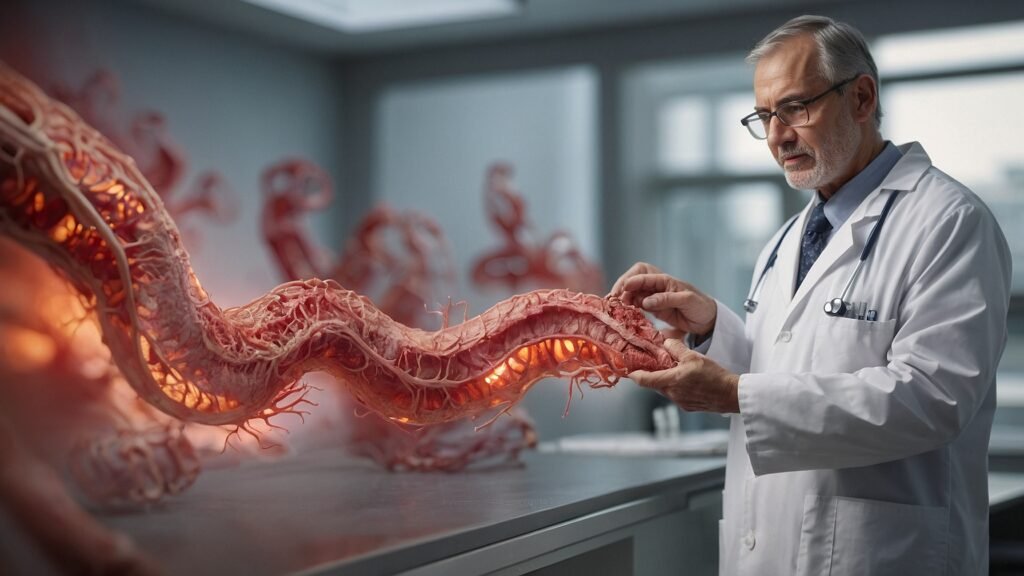
Early detection improves outcomes significantly. Diagnosis typically involves:
1. Medical History and Physical Examination
Assess risk factors such as:
- Hypertension
- Smoking
- Diabetes
- Family history
2. Laboratory Tests
- Lipid profile (LDL, HDL, triglycerides)
- Blood sugar and HbA1c
- Inflammatory markers (CRP, ESR)
3. Imaging Studies
- CT Scan: Detects calcified plaques, measures aortic size
- MRI: Evaluates soft plaque and blood flow
- Ultrasound: Commonly used for abdominal aortic assessment
- Echocardiography: Evaluates thoracic aorta and cardiac function
4. Angiography
- Invasive imaging to assess blood flow and vessel obstruction
- Used before surgical intervention
Management Strategies
Management of aortic atherosclerosis is multidisciplinary and includes lifestyle modification, medical therapy, and surgical interventions.
1. Lifestyle Modifications
- Quit smoking
- Follow a heart-healthy diet rich in fruits, vegetables, whole grains, and lean proteins
- Engage in regular aerobic and resistance exercise
- Maintain healthy body weight
- Control stress
Lifestyle interventions help slow disease progression and improve cardiovascular outcomes.
2. Medical Therapy
Statins
- Lower LDL cholesterol
- Stabilize plaques and reduce inflammation
Antihypertensive Drugs
- Control blood pressure
- Reduce endothelial stress
Antiplatelet Therapy
- Aspirin or other antiplatelet drugs prevent clot formation
Diabetes Management
- Maintain optimal blood sugar control
- Prevent vascular complications
3. Surgical and Interventional Approaches
Endovascular Aortic Repair (EVAR)
- Minimally invasive stent placement
- Used for aneurysms or severe stenosis
Open Surgical Repair
- Removal or bypass of diseased aorta
- Reserved for life-threatening complications
Aortic Bypass Surgery
- Reroutes blood flow around blocked sections
- Improves circulation to organs and limbs
Prevention of Aortic Atherosclerosis
Preventive strategies are essential, particularly for high-risk individuals:
- Maintain healthy cholesterol and blood pressure
- Avoid smoking and excessive alcohol
- Engage in regular physical activity
- Follow a balanced, heart-healthy diet
- Monitor for diabetes and metabolic syndrome
- Schedule regular cardiovascular screenings
Living With Aortic Atherosclerosis
With proper management, patients can lead active, fulfilling lives. Key strategies include:
- Medication adherence
- Regular follow-up with a cardiologist
- Healthy lifestyle consistency
- Monitoring symptoms for early intervention
Frequently Asked Questions (FAQs)
1. Can aortic atherosclerosis be reversed?
Plaque buildup cannot usually be fully reversed, but progression can be slowed and stabilized with treatment.
2. Is aortic atherosclerosis life-threatening?
Yes, especially if it leads to aneurysm, rupture, or thromboembolic events. Early detection reduces risk.
3. How is aortic atherosclerosis different from coronary artery disease?
Coronary artery disease affects the heart arteries, while aortic atherosclerosis affects the main systemic artery.
4. What are the main risk factors?
High cholesterol, hypertension, diabetes, smoking, obesity, sedentary lifestyle, aging, and family history.
5. How is it diagnosed?
Diagnosis includes medical history, lab tests, imaging studies (CT, MRI, ultrasound), and sometimes angiography.
6. What treatments are available?
Treatment includes lifestyle changes, medications (statins, antihypertensives, antiplatelets), and surgery for advanced cases.
Conclusion
Aortic atherosclerosis is a progressive, often silent, cardiovascular disease that poses significant health risks if left untreated. Understanding its pathophysiology, risk factors, and management options empowers patients and clinicians to reduce complications and improve long-term cardiovascular health. Through a combination of early detection, lifestyle modification, medical therapy, and surgical intervention, aortic atherosclerosis can be managed effectively, allowing individuals to maintain an active and healthy life.